vacation in Aspen for less than $50 per day

The recap of Chino summer adventures continues. Since Alison has already shared some about our time there, I’m going to try to come at this from a different angle.

There is so much that I appreciate about camping vacations. The cool clean mountain air. Drinking in the beauty of our surroundings. Being outside. Time with people I care about. Fires (when they haven’t been banned). Quiet. Good food. Hiking. Morning coffee. But there is a benefit to camping that sometimes doesn’t get near the recognition it should…

It’s cheap.

Aspen is possibly the most pretentious (and expensive) resort town in Colorado. If you need to be reminded of this, let me recommend seeing the time-honored classic, Dumb and Dumber. Most of Aspen’s vacationers are burning money in the streets and are proud of it. I haven’t a clue what four days of room and board for six people in Aspen would cost, but my guess is somewhere in the neighborhood of $2000.
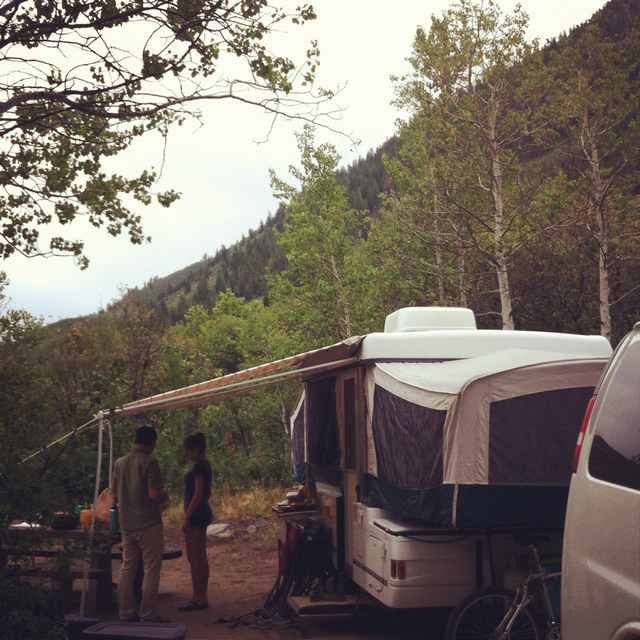
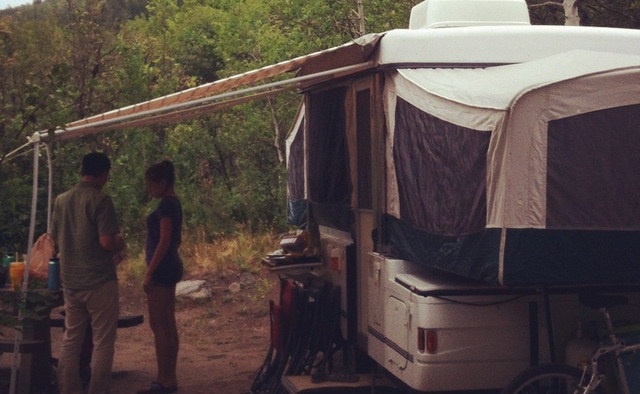
Contrast that with the $21 a night scenic campground located 6 miles outside of town. It was far enough from town to make you feel like you were really away from it all, but close enough for daily forays into town to shop for groceries, use the internet, play on the playground, visit the library, and people watch. And did I mention… it was $21 a night.
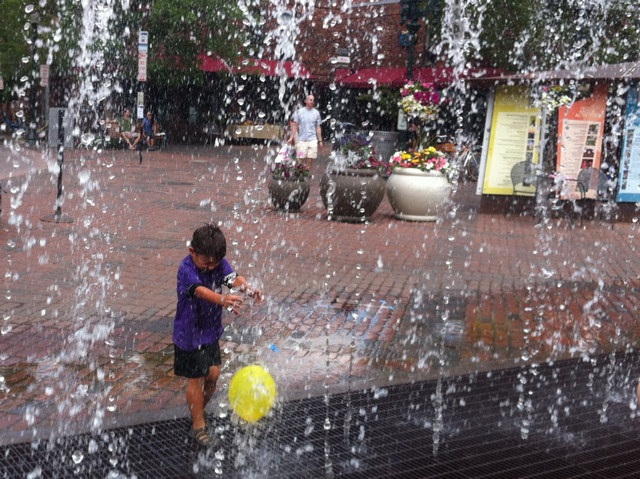
Likewise on the food. Saving so much money on accommodations easily could have justified eating a couple meals in town, but  we didn’t.  And we really didn’t have much desire to. We were usually on the go around lunchtime and so picnic fare just seemed to make sense. Plus, our breakfasts and dinners back at camp were meals fit for royalty. I can’t imagine that food cost us more than $15-20 per day for our family.
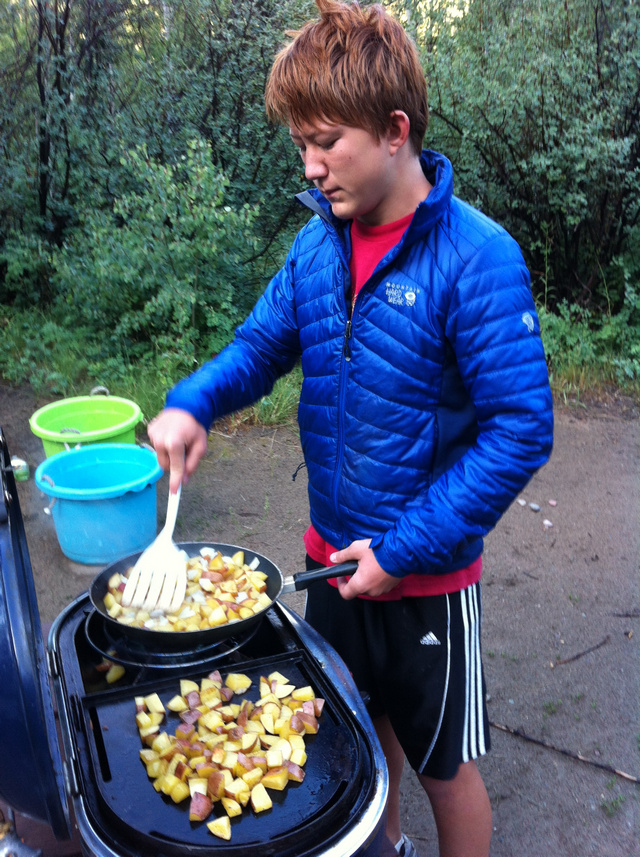
While there are any number of places to part with your hard earned dollars in Aspen, there are only three establishments that will repeatedly suck us in.

1) Rocky Mountain Chocolate Factory // This isn’t true only in Aspen. Any mountain town that has one (and they all seem to have one) is sure to get another $10-15 from us. Worth every penny.

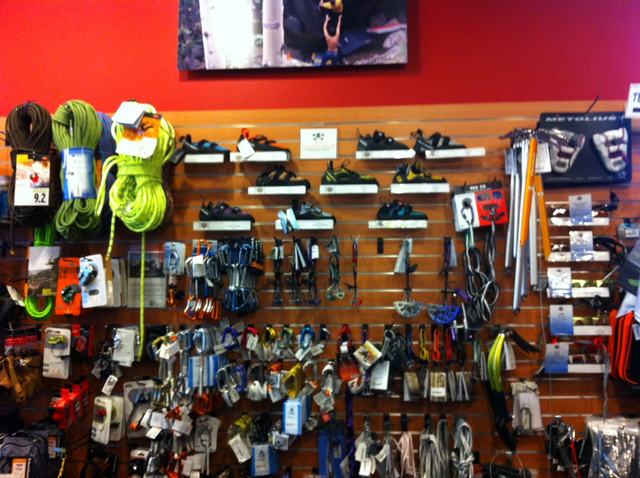
2) Ute Mountaineer // This particular store caters to an addiction of mine that I am neither proud of – nor ashamed of.
3) The Thrift Shop of Aspen // The name itself seems like a oxymoron. And yet, there truly are bargains to be had in this funny little store.
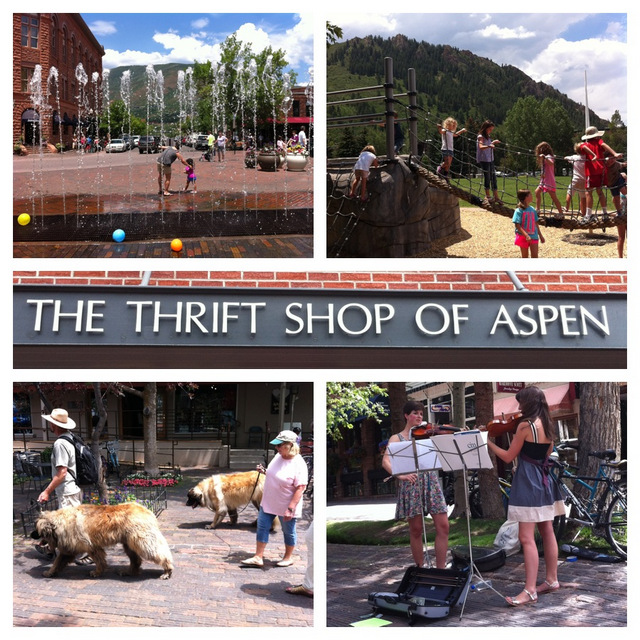
So there it is. A four day stay in Aspen that ends up costing a couple Benjamins. Hard to believe… but true.

Next stop – Moab, Utah.

 

moving

Welcome to Square Pegs, my little corner of the blogosphere. Glad you took the time to drop by.

Here’s where you can find my sometimes coherent reflections on theology, books, music, camping, ministry, and the occasional tidbit on my personal life.

Odds are you got here from where I used to blog on wordpress.com. So if you haven’t taken the time to update your RSS feed/subscription, now would be the time to do it.

www.taidochino.com/feed

Ok. Hope you find something you like around here and thanks for dropping by.

summer revisited // D-Camp

A few days ago, I promised a recap of the summer and so we are forging ahead. One week after returning from Honduras, we jumped into a fleet of vans and headed to Castle Bluff for a four day weekend with 80 middle schoolers. D-Camp is something of an annual tradition where we take a “smaller” group of students away for a few days to stretch them spiritually in a way that is different from our more outreach oriented fall weekends.

Sadly, I can’t find any pictures of the weekend. Not one. The options here are A) I didn’t take any pictures all weekend long, or B) I have “misplaced” them. I think I know where they are, but they aren’t handy right this second. So instead, I’ll share a few choice videos from the weekend. They aren’t videos of the weekend. Rather, they are videos we showed during the weekend. They typically aren’t meant to be all that meaningful. Usually these short videos are meant to inject a bit of humor into the weekend. I’ll let you be the judge of that.

I believe most everyone on the planet has seen this one. It has middle school humor written all over it.

Speaking of middle school humor, the laughs just keep coming with this series of talking animals.

This one is fascinating. To see the transformation of a human being from birth to 12 year old in a matter of seconds can provide an opportunity for reflection for fellow tweens. However, middle schoolers aren’t especially known for being reflective.

Spoken word has it’s time and place. I think D-Camp can be one of them.

Next up on Summer Revisted… Family Vacation.

summer revisited // Hondo2012

I know it has been a while, but summer gets crazy and the blog falls to the bottom of the priority list. However I’m back from a summer full of adventures and my hope over the next few weeks is to give you a glimpse into what’s been happening in my life over the last few months. Ready? Go.

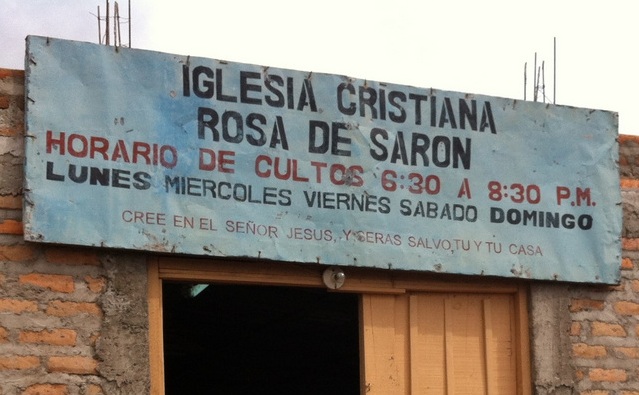
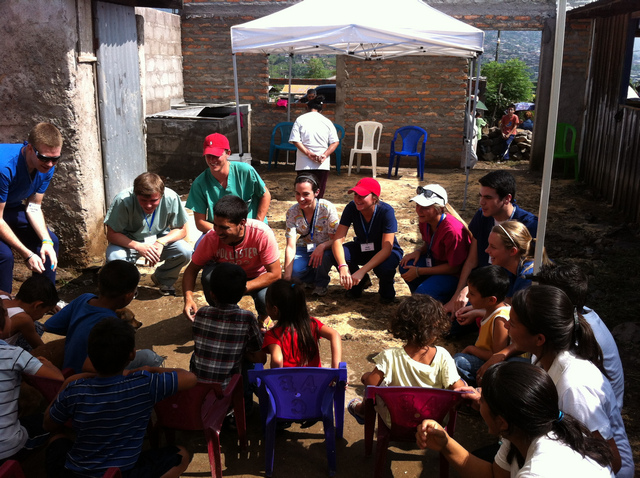
The first trip took place before summer break officially began… Hondo2012. Nearly a year prior, Bobby and I sensed that maybe this year’s graduating class was up for an international mission trip. This group of students had a number of young men and women who had done it all. Attended and provided leadership in the youth group. Served in church and in the community. Been on every retreat, trip, camp, mission, activity we had ever thrown at them. It was a group of students who were deeply connected to each other, the church, and God. So a mission trip to Honduras seemed like just the right thing to bring their high school years with us to a close.

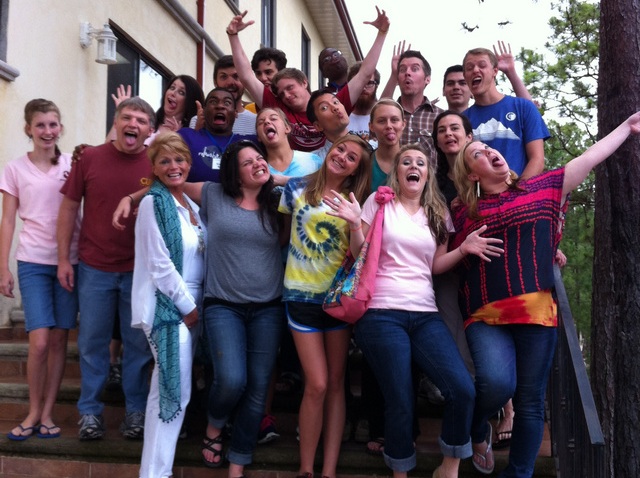
Plans were made. Money was raised. Training meetings were held. Airplane tickets were bought. And providentially a group of twenty-one people were assembled for the team. Out of that group nine of them were graduating seniors and the rest were a wonderful assortment of adults who had various reasons for wanting to be on the team.

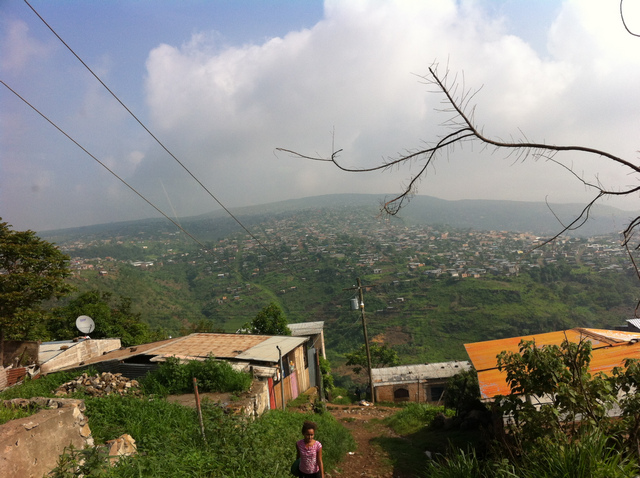
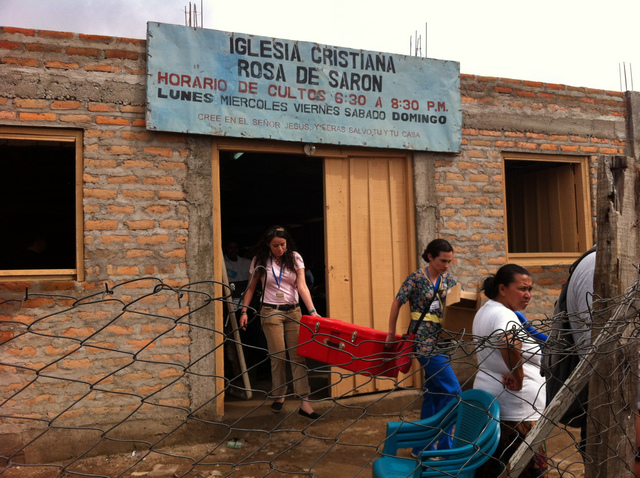
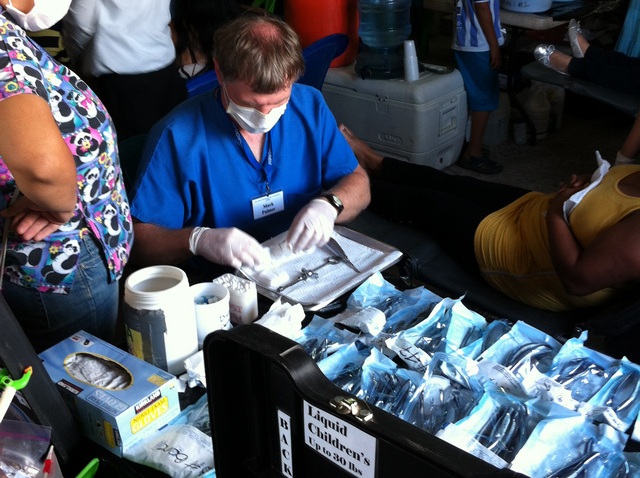
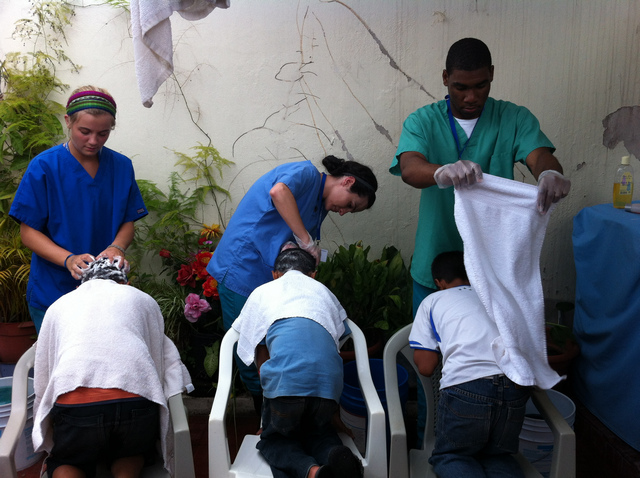
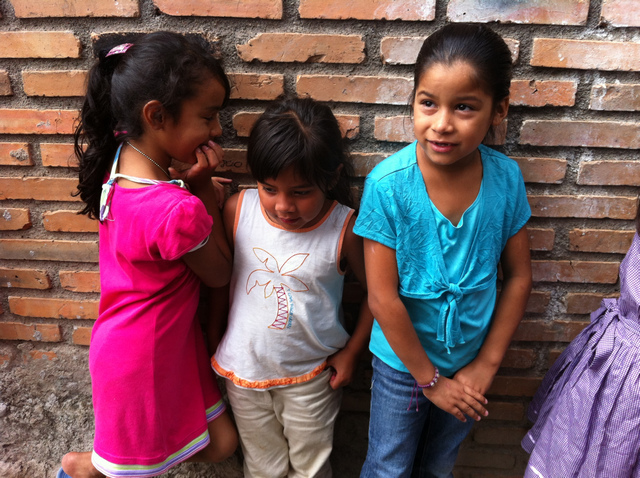
It is difficult to put into a few words all that we experienced that week, so I’ll share a bit and then maybe the pictures I include will fill in the gaps. Pictures are worth a thousand words, right?

The bare details of the week are that we showed up on Wednesday. Visited their orphanage on a ranch in the mountains on Thursday. Staffed their medical brigade on Friday and Saturday. Went to church and sight-seeing on Sunday. Another medical brigade Monday and Tuesday. Flew home on Wednesday.

What the run down of our itinerary doesn’t convey are any of the things that made the trip what it was. We walked away from the week having had a wonderful opportunity to serve the “least of these” without much concern for what we would get in return.

However, as is always the case, we stood everything to gain from the experience. An appreciation for what is happening in another part of the world. A chance to recognize some new things about ourselves. Some pleasant surprises. Others less so. An opportunity to work along-side Honduran brother and sisters in work that was meaningful.

But perhaps the thing that will be the most lasting is a sense of connectedness to the other people on the team that came about through our shared experiences. Shared joys. Shared struggles. Shared service. Shared stories. Shared meals. Shared worship. Shared lives.

With any luck, there will be a Hondo2013!

The next episode of “Summer Revisited” will feature D-Camp!!!


four (pastor-y things) for friday

Sort of lame, but nearly everything today is pastor-esque. Sorry if it bores you to tears.

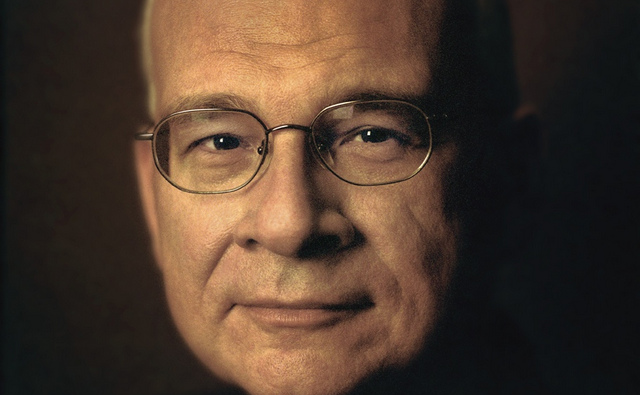
I saw this very short video this week about how Tim Keller prepares a message. It is pretty close to how I go about it. Except that it takes me longer. And I don’t preach it four times.

2) I am a (sometimes) student at Regent College… long story. Anyway, John Stackhouse is prof there and something he shared this week really resonated with me. John, this may be your best yet.

Yesterday I scored very poorly on the 3 C’s–calm, cool, and collected. I had not slept well for a couple of nights and so faced the day fractured. I’m old enough now to realize that I needed to undertake some personal disciplines, and they helped, but I yet really wasn’t under very good control.

Read the rest HERE.

3) This is Lecrae and company addressing the fatherless-ness epidemic and the need for men of all cultures to embrace their God given masculinity as exhibited in Son of Man.

I may have been the only one who needed to Google the lyrics for this song, but in case you are having some difficulty in following the flow, HERE it is.

4) World Clock – This actually doesn’t have anything to do with being a pastor. I just think it is interesting.

victim or perpetrator

I realize that these quotes from Volf over the last few days have been life changing for you, but it needs to come to and end. But before we wrap things up, one last lengthy quotation on the need for repentance on the part of the victim.  That’s right, the victim. I know it seems beyond strange to suggest that victims have a need for repentance, but that is because we have a compulsive need to see everything in terms of all-or-nothing. And by “we,” I mean church people. Or maybe Americans, in general. Honestly, don’t most human beings suffer from this inability to see things in shades of gray?

A person is all good or all bad. A marriage failure is all the husband’s fault or all the wife’s fault. Problems in education are all the fault of the teachers, or the students, or their families, or the system. Someone’s view of God is either entirely orthodox or it is heretical. For whatever reason, we are drawn to the simplicity of seeing things in terms of either-or.

However, it doesn’t take much sustained reflection on our part to realize that life is more complicated than that. Children misbehave not only as a result of their own inherent sinfulness, but also because of the dysfunctionality of their family, or the pressures of their peer-group, or even as a means of exacting justice – no matter how skewed their ideas of that might be. What is true for children is true for adults, and organizations, and tribes, and countries. Despite our desire to see things in terms of absolutes, our better selves know that no one person or country can bear all the weight of this all-or-nothing way of thinking. We all behave badly for different reasons and in different ways.

I’m not sure how I got off track here. Let’s get back to the matter at hand, namely Volf on victims and perpetrators…

Jesus called to repentance not simply these who falsely pronounced sinful what was innocent and sinned against their victims, but the victims of oppression themselves. It will not do to divide Jesus’ listeners neatly into two groups and claim that for the oppressed repentance means new hope whereas for the oppressors it means radical change. Nothing suggests such a categorizing of people in Jesus’ ministry, though different people ought to repent of different kinds of sins. The truly revolutionary character of Jesus’ proclamation lies precisely in the connection between the hope he gives to the oppressed and the radical change he requires of them. Though some sins have been imputed to them, other sins of theirs were real; though they suffered at the sinful hands others, they also committed sins of their own. It is above all to them that he offers divine forgiveness.

The most seminal impact of enmity … consists in transforming the violent practices of the dominant into the dominant practices … envy and enmity keep the disprivileged and weak chained to the dominant order – even when they succeed in toppling it … repentance creates a haven of God’s new world in the midst of the old and so makes the transformation of the old possible.

Victims need to repent of the fact that all too often they mimic the behavior of the oppressors, let themselves be shaped in the mirror image of the enemy. They need to repent also of the desire to excuse their own reactive behavior either by claiming that they are not responsible for it or that such reactions are a necessary condition of liberation. Without repentance for these sins, the full human dignity of victims will not be restored and needed social change will not take place … If victims do not repent today they will become perpetrators tomorrow who, in their self-deceit, will seek to exculpate their misdeeds on account of their own victimization. (from Exclusion and Embrace, emphasis his).

So I’m pretty much done subjecting you to Volf…

For now.

idol factories

I got Volf’s Exclusion and Embrace and his Free of Charge: Giving and Forgiving in a Culture Stripped of Grace at the same time. I chose to read Exclusion and Embrace first because it is older and from what I could tell it was his more pioneering work. However, if the decision was made based upon which book had the better cover, there would have been no contest.

Free of Charge not only has the distinction of being the more attractive of the two books, it is also shorter and easier reading in general. So if you are in any way tempted to dive into some Volf, this may be the place to start.

Here’s a little something to whet your appetite…

There is God. And there are images of God. And some people don’t see any difference between the two.

… They simply assume that who they believe God to be and who God truly is are one and the same. God is as large (or as small) as they make the Infinite One to be, and none of the beliefs they entertain about God could possibly be wrong.

But in fact, our images of God are rather different from God’s reality. We are finite beings, and God is infinitely greater than any thoughts we can contain about divine reality in our wondrous but tiny minds … When we forget that we unwittingly reduce God’s ways to our ways and God’s thoughts to our thoughts. Our hearts become factories of idols in which we fashion and refashion God to fit our needs and desires … Slowly and imperceptibly, the one true God begins acquiring the features of the gods of this world. For instance, our God simply gratifies our desires rather than reshaping them in accordance with the beauty of God’s own character. Our God then kills enemies rather than dying on their behalf as God did in Jesus Christ.

on rage and forgiveness

Yesterday, I gave fair warning of a steady stream of Volf-isms coming your way, and I intend to deliver on that promise. I would put up a picture of the book, but the design is so awful that you are likely to dismiss it on sight. The quote comes from Exclusion and Embrace and as you might guess, it is about rage and forgiveness.

For the followers of the crucified Messiah, the main message of the imprecatory Psalms is this: rage belongs before God  … by placing unattended rage before God we place both our unjust enemy and our own vengeful self face to face with a God who loves and does justice … Forgiveness flounders because I exclude the enemy from the community of humans even as I exclude myself from the community of sinners. But no one can be in the presence of the God of the crucified Messiah for long without overcoming this double exclusion – without transposing the enemy from the sphere of monstrous inhumanity into the sphere of shared humanity and herself from the sphere of proud innocence into the sphere of common sinfulness.

One of the things that I’ve really appreciated about this book is its universal relevance. Whether we are talking about nations warring over centuries old ethnic and religious animosity or the fight that a husband and wife had last week, his observations hold equally true. And come on, what’s not to love about a sentence like, “Forgiveness flounders because I exclude the enemy from the community of humans even as I exclude myself from the community of sinners.

Pure gold.

sticking it to the Man

I recently picked up Miraslov Volf’s Exclusion and Embrace: A Theological Exploration of Identity, Otherness, and Reconciliation. My experience of reading Volf is like taking a freezing cold shower; you don’t necessarily enjoy it, but you walk away invigorated, alert, and refreshed. And then maybe later, you admit to secretly having liked it.

Volf, a theology professor at Yale, is a native Croatian who writes truly Christian theology that addresses the complexity of contemporary political and cultural realities. What all of this mean for you, dear reader, is that you can expect to be bombarded by Volf quotes for the next few weeks.

Starting with this one. Volf never explicitly references “the Man,” but I think we all know who he is talking about.

How does the system work? Consider first what might be called the “background cacophony of evil.” It permeates institutions, communities, nations, whole epochs, and it is sustained, as Marjorie Suchocki puts it, by “a multiply nuanced and mirrored and repeated intentionality of purpose that exercises its corporate influence” (Suchocki 1995, 122). This is the low-intensity evil of the way “things work” or the way “things simply are,” the exclusionary vapors of institutional or communal cultures under which many suffer but for which no one is responsible and about which all complain but no one can target.

Happy Monday! And don’t let “the Man” get you down.

Four (videos) for Friday

This week’s installment of Four for Friday is all videos. As is becoming more and more my custom – minimal comments, just the goods.

I like it.

Your new favorite musician.

So very good.

In the words of Ian Cron, “How are humans not extinct?